


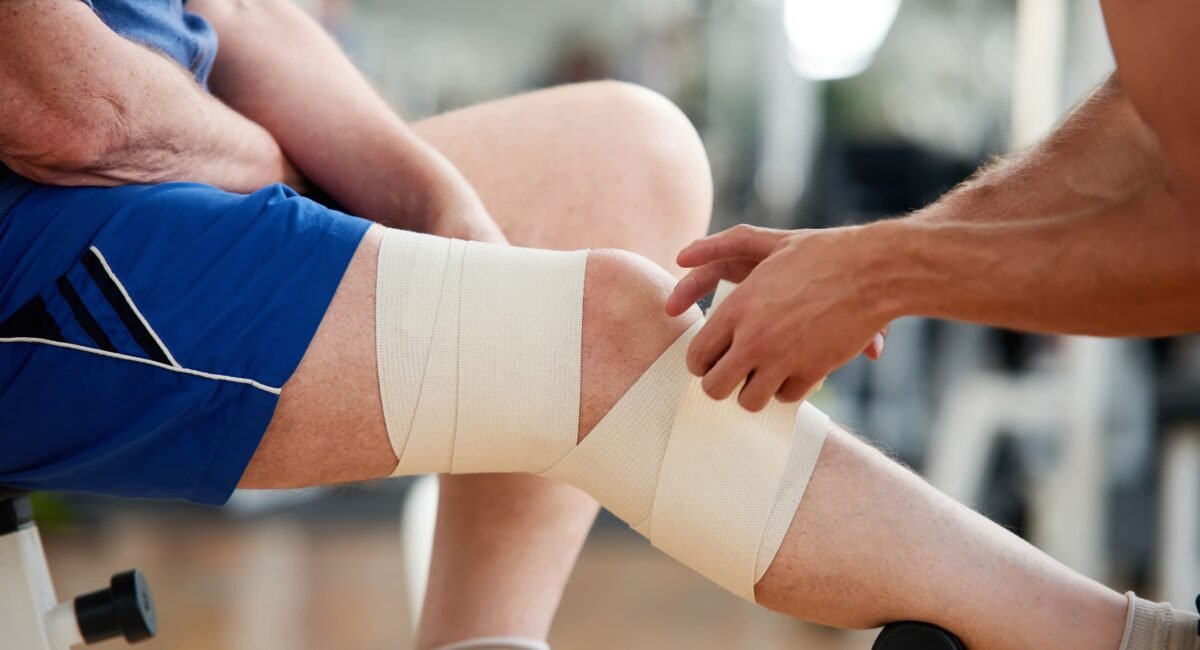
Padel is fast, dynamic and physically demanding. Sudden changes of direction, quick accelerations, stops, rotations, jumps and repeated racket movements place significant demands on the body.
In Marbella, where padel is part of the lifestyle for many residents and international visitors, it is common to play several times a week. But as match frequency and intensity increase, so does the load placed on muscles, tendons and joints.
Whether you play recreationally or train regularly, understanding the most common padel injuries can help you recognize when your body needs attention. Physiotherapy in Marbella can play an important role not only in recovering from an injury, but also in managing recurring pain, improving movement and preparing you to return to the court safely.
If you have been searching for a physio Marbella, physiotherapy Marbella or even physiotherapy near me, knowing what to expect from a sports physiotherapy assessment can help you take the next step.
Why Are Padel Injuries So Common?
Padel combines repetitive upper-body movements with explosive lower-body actions.
During a single point, you may need to sprint forward, stop suddenly, move backwards, rotate your trunk, change direction and finish with an overhead shot. Repeating these movements throughout a match creates considerable physical demand.
Some injuries happen suddenly after an awkward movement or landing. Others develop gradually because a muscle, tendon or joint is repeatedly exposed to more load than it can currently tolerate.
Common contributing factors include:
- Increasing the number of weekly matches too quickly.
- Playing for long periods without enough recovery.
- Limited strength or mobility.
- Returning to padel too soon after an injury.
- Accumulated fatigue.
- Repetitive movement patterns.
- Insufficient warm-up.
- Combining padel with other demanding sports or workouts.
- Ignoring recurring pain during or after matches.
A small discomfort does not always mean there is a serious injury. However, pain that repeatedly returns can be a sign that it is worth having the area assessed by a physiotherapist.
1. Tennis Elbow and Elbow Pain in Padel Players
Despite its name, tennis elbow is also common among padel players.
Repeated gripping and racket movements place significant demands on the muscles and tendons of the forearm. Over time, this can result in pain around the outside of the elbow.
Symptoms may include:
- Pain on the outer side of the elbow.
- Discomfort when holding the racket.
- Pain during certain shots.
- Tenderness around the forearm.
- Reduced grip strength.
- Pain that continues after playing.
If elbow pain keeps returning every time you play, a physio in Marbella can assess the movements, strength and training loads that may be contributing to the problem.
Treatment should not simply focus on temporarily reducing discomfort. The objective is also to progressively improve the area’s ability to tolerate the demands of padel.
2. Shoulder Pain From Overhead Shots
Smashes, bandejas, viboras and other overhead shots require much more than shoulder movement.
The shoulder, upper back, trunk and hips need to work together to generate and control movement. When one area lacks mobility or strength—or when playing volume suddenly increases—the shoulder may become overloaded.
Common symptoms include:
- Pain when raising the arm.
- Discomfort during overhead shots.
- Weakness when hitting the ball.
- Pain after playing.
- Reduced shoulder mobility.
- Pain when sleeping on the affected side.
A physiotherapy Marbella assessment can help determine whether the problem relates to the shoulder itself or whether mobility and movement elsewhere in the body may also be influencing your symptoms.
3. Lower Back Pain After Playing Padel
Lower back discomfort is another common complaint among active padel players.
Padel involves repeated trunk rotation, bending, sudden changes of position and extension during overhead shots. These movements may become uncomfortable when combined with fatigue, reduced mobility or a sudden increase in playing time.
You may want to consider a physiotherapy assessment if:
- Back pain repeatedly appears after playing.
- Symptoms are becoming progressively worse.
- You experience significant stiffness the following day.
- Pain limits rotation or movement.
- You are changing the way you play to avoid discomfort.
- The pain disappears with rest but returns as soon as you play again.
Sports physiotherapy can assess spinal and hip mobility, strength, trunk control and the specific movements that trigger your symptoms.
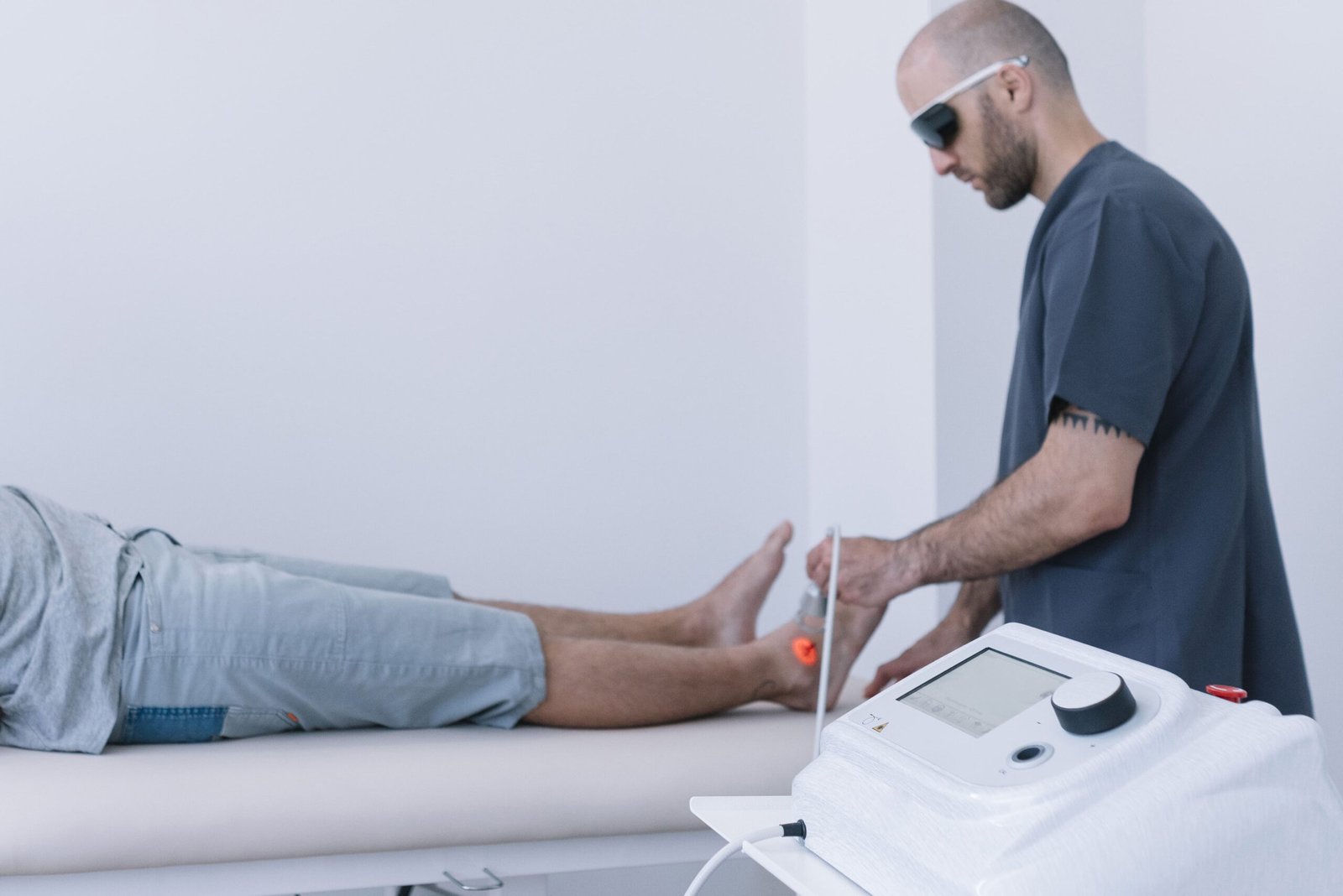
4. Knee Pain During Padel
The knees are constantly working during a padel match.
They absorb force when stopping, changing direction, lunging and moving into low positions. This repetitive loading can contribute to knee discomfort in some players.
Symptoms may appear when:
- Running towards the net.
- Changing direction quickly.
- Squatting or bending.
- Climbing stairs after playing.
- Getting up after sitting.
- Playing several matches close together.
Knee pain can have many possible causes. For that reason, diagnosing the problem based only on the location of the pain is not always reliable.
A professional assessment can help identify which movements trigger the symptoms and what needs to be addressed during rehabilitation.
5. Ankle Sprains and Ankle Instability
Fast changes of direction make ankle control particularly important in padel.
One awkward step can cause an ankle sprain. Other players may experience repeated minor ankle discomfort or instability after a previous injury.
After an ankle sprain, recovery involves more than simply waiting for the swelling and pain to disappear.
A rehabilitation programme may need to restore:
- Ankle mobility.
- Strength.
- Balance.
- Stability.
- Coordination.
- Reaction to rapid movements.
- Confidence when changing direction.
Being able to walk without pain does not necessarily mean the ankle is ready for the demands of a competitive padel match.
This is where working with a physio Marbella can be particularly useful before returning fully to sport.
6. Calf and Achilles Tendon Problems
The calf muscles and Achilles tendon work hard during repeated accelerations, jumps and quick movements towards the net.
Symptoms can develop gradually and may include:
- Morning stiffness.
- Tightness after playing.
- Pain around the Achilles tendon.
- Calf discomfort during acceleration.
- Reduced ability to push off.
- Pain when jumping or running.
A sudden, severe pain or significant loss of function should always be assessed appropriately.
For gradual symptoms, sports physiotherapy can help evaluate strength, mobility, training load and how much stress the area is currently able to tolerate.
How Can Sports Physiotherapy in Marbella Help?
Every player is different. Two people with similar pain may require very different rehabilitation strategies.
A sports physiotherapy assessment may consider:
- Where you feel pain.
- How and when the symptoms started.
- How often you play padel.
- Recent changes in training.
- Previous injuries.
- Joint mobility.
- Muscle strength.
- Balance and control.
- Movements that reproduce symptoms.
- Your goals for returning to sport.
From there, your physiotherapist can develop a treatment and rehabilitation plan based on your individual needs.
Managing Pain and Restoring Movement
During the early stages of rehabilitation, treatment may focus on reducing symptoms and restoring comfortable movement.
Depending on the injury, this can include manual therapy, targeted exercises and changes to your current activity levels.
Rebuilding Strength
Pain relief is only one part of recovery.
For someone who wants to return to padel, the body must also regain the ability to tolerate repeated sporting loads.
Progressive strengthening may therefore form an important part of physiotherapy treatment, particularly for tendon, muscle and joint problems.
Preparing You to Return to the Court
Being comfortable during everyday activities is different from being ready to play padel.
Before returning fully, your body may need to tolerate:
- Sprinting.
- Stopping.
- Jumping.
- Rotating.
- Lunging.
- Rapid changes of direction.
- Repeated racket movements.
- An entire match without worsening symptoms.
A structured return-to-sport programme can gradually reintroduce these demands.
Can Physiotherapy Help Prevent Padel Injuries?
You do not need to wait until an injury stops you from playing before seeing a physiotherapist.
If you play regularly, physiotherapy in Marbella can also help identify mobility, strength or load-management issues that may be worth addressing.
Improve Mobility
Padel does not rely exclusively on the racket arm.
The ankles, hips, thoracic spine and shoulders all contribute to effective movement on court.
Improving mobility where necessary can help your body perform sporting movements more efficiently.
Build Strength
Strong legs, glutes, trunk muscles, shoulders and forearms all contribute to your ability to tolerate the demands of padel.
Your exercise programme should match your current level, playing frequency and goals rather than follow a one-size-fits-all routine.
Manage Your Playing Load
Going from one match a week to four or five is a major increase in physical demand.
Gradually increasing activity can give muscles and tendons more time to adapt.
Recovery between sessions is also important, particularly if you combine padel with running, golf, gym training or other sports.
Warm Up Before Playing
Instead of starting a match at maximum intensity, spend a few minutes progressively preparing your body.
A padel warm-up can include:
- Dynamic mobility.
- Light jogging.
- Progressive lateral movements.
- Controlled changes of direction.
- Shoulder movements.
- Easy practice shots.
- Gradually increasing the intensity of overhead shots.
The purpose is to prepare your body for the movements it will soon need to perform at greater speed.
Should I Stop Playing Padel If I Have Pain?
Not every minor ache means you must completely stop exercising.
However, persistent or worsening pain should not simply be ignored.
Consider booking an assessment if:
- Pain occurs every time you play.
- Symptoms are gradually getting worse.
- You have lost strength or mobility.
- There is significant swelling.
- You have not fully recovered from a previous injury.
- Pain is starting to interfere with everyday activities.
- You are changing your technique because of discomfort.
- Symptoms improve with rest but return whenever you play.
Sudden severe pain, inability to bear weight, major swelling, deformity, numbness or significant loss of function should be medically assessed promptly.
When Should You See a Physio in Marbella?
Many players wait until pain becomes severe enough to stop them playing completely.
That is not always necessary.
An earlier assessment can help you understand what may be contributing to the problem and whether temporary adjustments to your training, rehabilitation exercises or treatment may be appropriate.
If you are searching online for physiotherapy near me because padel is causing recurring pain, choosing a clinic experienced in musculoskeletal and sports rehabilitation can help you establish a clearer path forward.
At InOne Fisioterapia, treatment can be adapted to your symptoms, activity level and sporting goals rather than focusing only on the painful area.
Sports Physiotherapy for Padel Players in Marbella
For many players, successful rehabilitation does not simply mean becoming pain-free.
It means being able to sprint towards the net, rotate for a shot, change direction, hit an overhead smash and finish a match feeling confident in your body again.
If you live in Marbella or are spending time on the Costa del Sol and are looking for physiotherapy Marbella, physio Marbella or professional sports physiotherapy, InOne Fisioterapia can assess your condition and develop an individual treatment and rehabilitation plan.
Whether you are dealing with a recent padel injury, recurring discomfort or want guidance before returning to the court, getting the problem assessed early can help you make informed decisions about your recovery.
Is pain affecting your padel game? Book an appointment with InOne Fisioterapia in Marbella and start working towards a confident return to the court.
